PROTUR for Africa
Small water. The night shift.
Across Africa, farms and food chains still run on diesel after dark. Where water flows, PROTUR can take over the night.
1 · Scale
600 million people
without power.
More than 600 million people in sub-Saharan Africa still have no electricity, most of the world’s unconnected.
IEA, via World Bank / AfDB Mission 300
2 · Diesel
Where there is power,
it often runs on diesel.
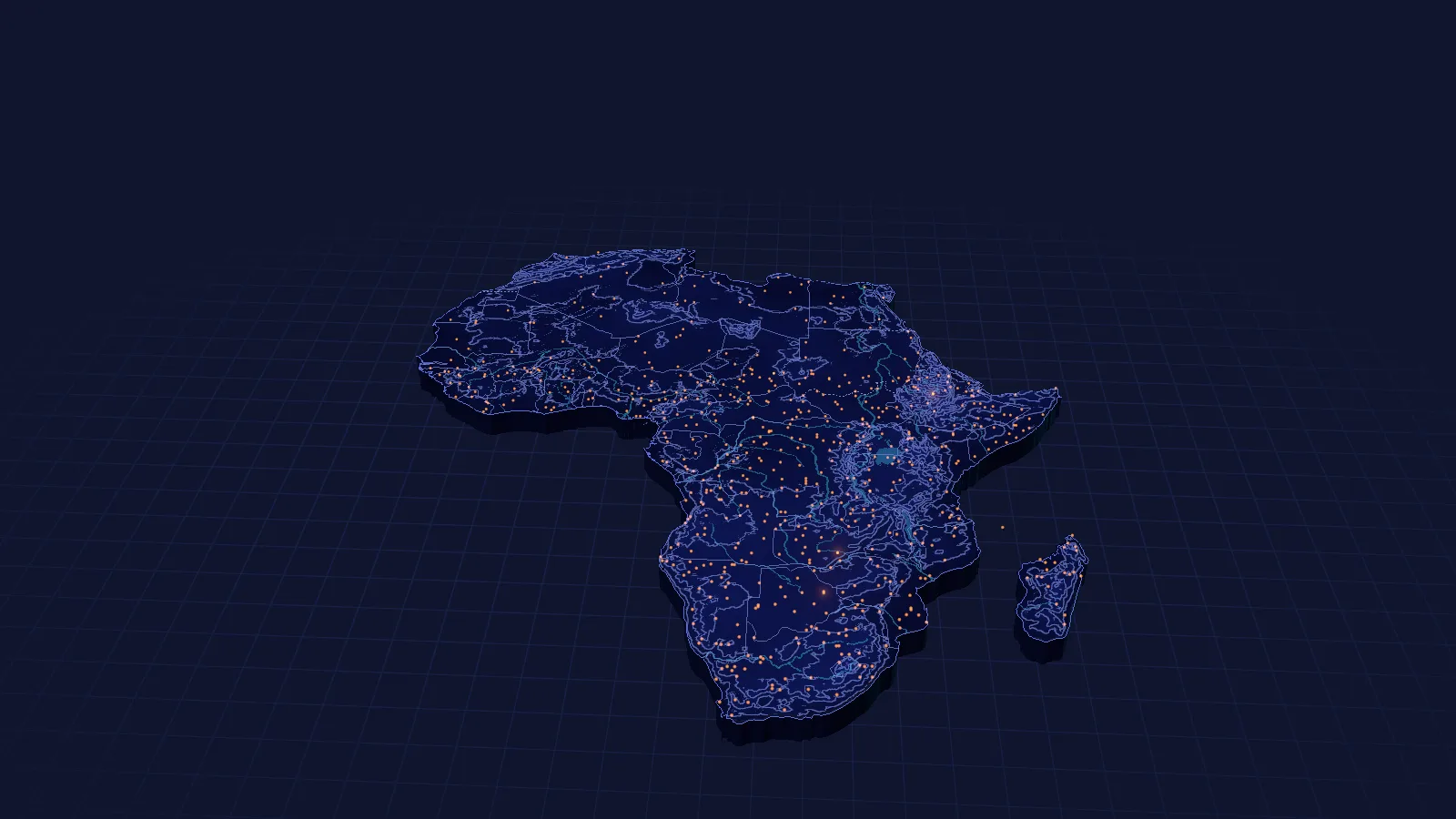
Generators run pumps, cold rooms and clinics. Fuel is trucked in, and every litre counts.
- Diesel generators, after dark
Illustration, not actual locations.
3 · Energy is food
Energy
is food.
Agrifood systems use about 30% of the world’s energy. Cold chains alone could prevent 144 million tonnes of food waste a year in developing countries.
FAO
4 · Solar and night
Solar works by day.
The night is the hard part.
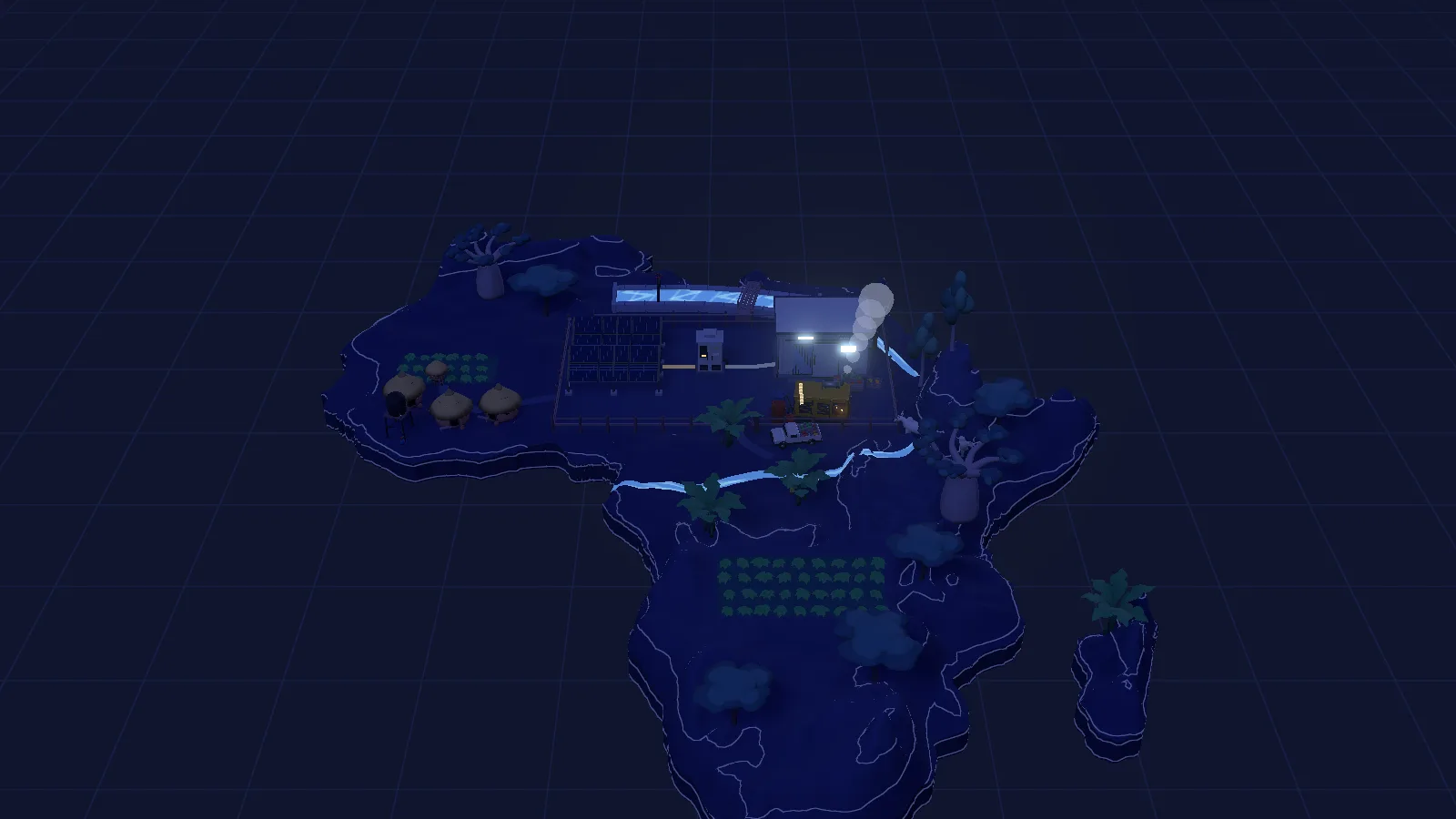
Solar is the right first answer, and it is spreading fast. But after sunset it needs large batteries, or the generator starts again.
- Day. Solar panels run the cold room and charge the battery.
- Sunset. The panels stop producing. The battery takes over the cold room.
- Night. The cold room runs all night, and the battery runs down.
- After midnight. The battery is empty. The diesel generator starts and runs until morning.
Illustration: one farm over 24 hours.
5 · Small water
Water flows
day and night.
Irrigation canals, streams and outflows run around the clock. Africa has used less than 5% of its small hydropower potential.
UNIDO, World Small Hydropower Development Report 2022
6 · PROTUR
A turbine
without blades.
Made in the Czech Republic, or built with local partners. It needs a drop of just 0.6 m, runs day and night, and needs no dam and no oil. By day alongside solar, at night instead of diesel.
How it works →
7 · Why these places
Three places,
three night jobs.
Keeping harvests cool, keeping milk fresh, keeping fish alive. Three jobs that happen at night, when solar rests.
- 1Zambia
- Irrigation canal · cold room
- 2Ethiopia
- Highland stream · milk chilling
- 3Rwanda
- Pond inflow · aeration
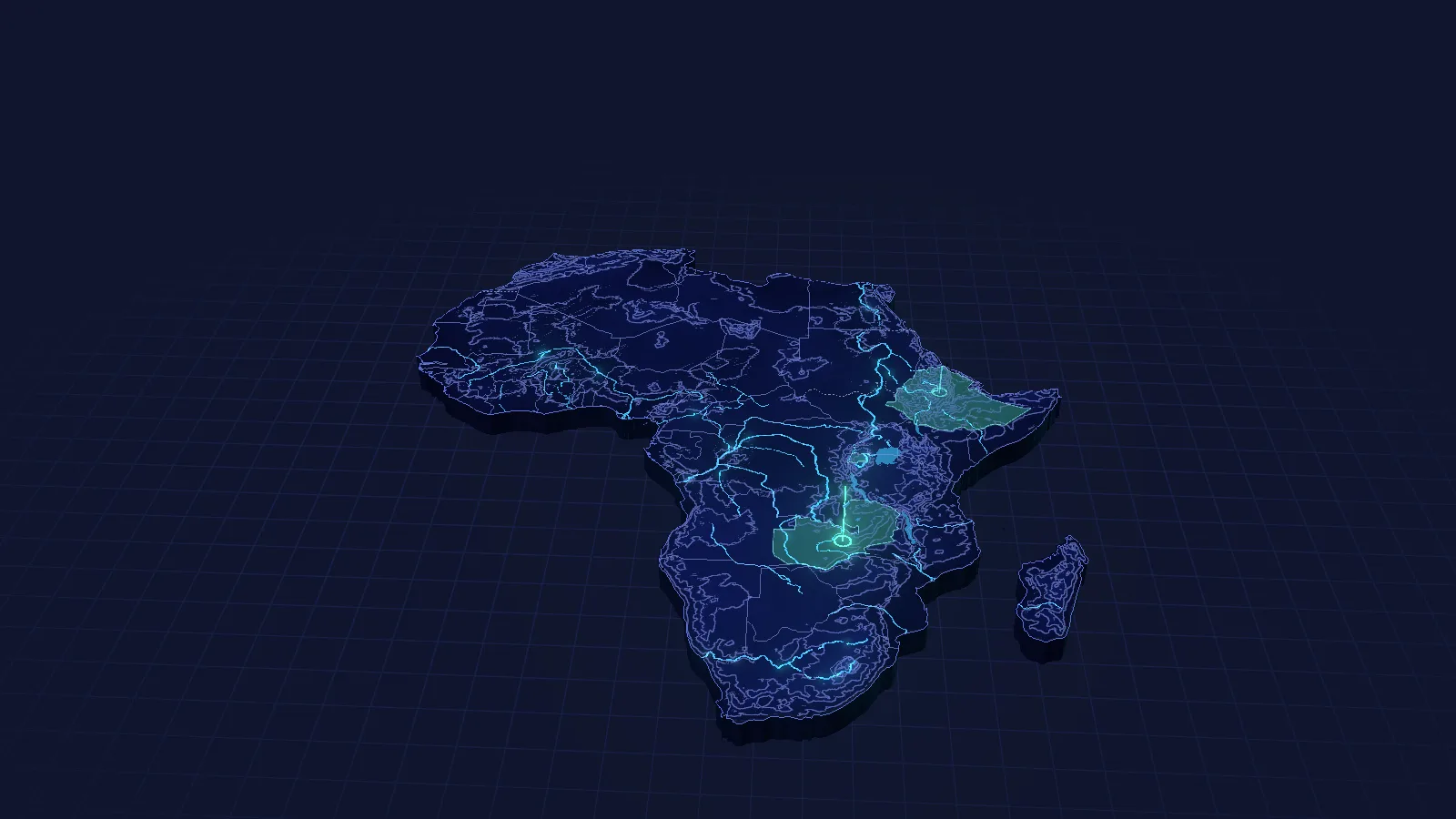
1ZAMBIA · IRRIGATION SCHEMEA cooperative cold roomIrrigation canal · cold room2ETHIOPIAN HIGHLANDS · MILK COLLECTIONA milk collection centreHighland stream · milk chilling3RWANDA · FISH PONDSFish ponds in a valleyPond inflow · aeration
ZambiaEthiopiaRwanda
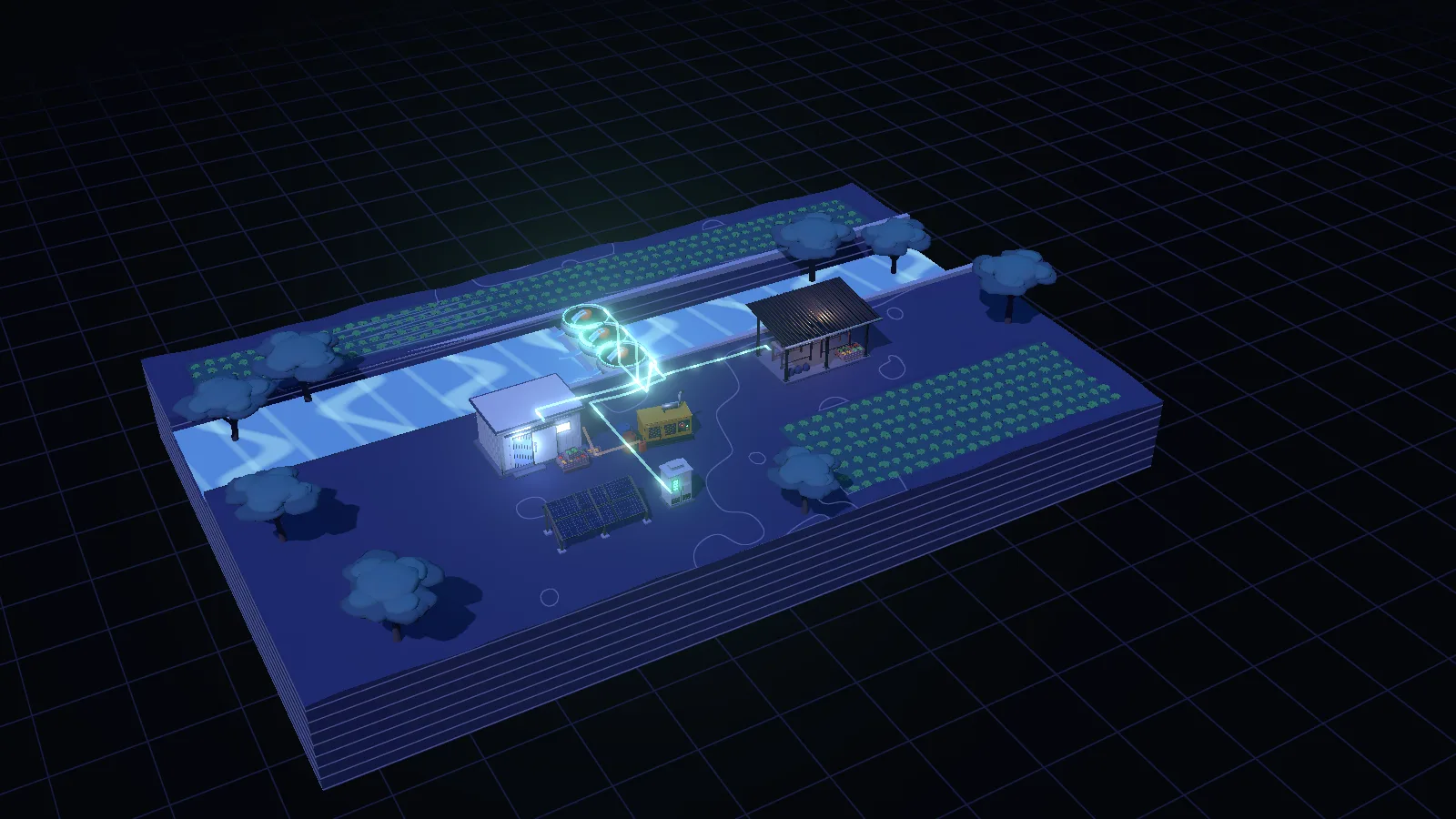
Example 1 of 3 · Zambia, irrigation scheme
The harvest
stays cool.
Why here An irrigation scheme already has canals with small drops between the fields.
- After harvest, vegetables wait for the market. The cold room runs on a diesel generator all night.
- Turbine 1 takes over the cold room at night.
- Turbine 2 keeps the batteries charged, so the solar system can be smaller.
- Turbine 3 lights the packing shed. The generator stays as backup only.
What it shows Less food lost, and the generator rests.
Less food lost, and the generator rests.
- Turbines
- 3 / 3
- Power
- 2.8 kW
- Per day
- 68 kWh
3 × PROTUR 600 side by side · 270 litres per second · 1.2 m drop
Example data
Example 2 of 3 · Ethiopian highlands, milk collection
Evening milk
stays fresh.
Why here Cooperatives collect milk twice a day, and the evening milk must be chilled all night.
- The milk chiller runs on diesel through the night.
- Turbine 1 on the stream keeps the chiller running.
- Turbine 2 on the next step adds power for the morning milking.
- Turbine 3 lights the collection centre. The same water works three times.
What it shows Fresh milk in the morning, and no fuel overnight.
Fresh milk in the morning, and no fuel overnight.
- Turbines
- 3 / 3
- Power
- 1.5 kW
- Per day
- 36 kWh
3 × PROTUR 300 one after another · 40 litres per second · 3 steps of 1.5 m
Example data
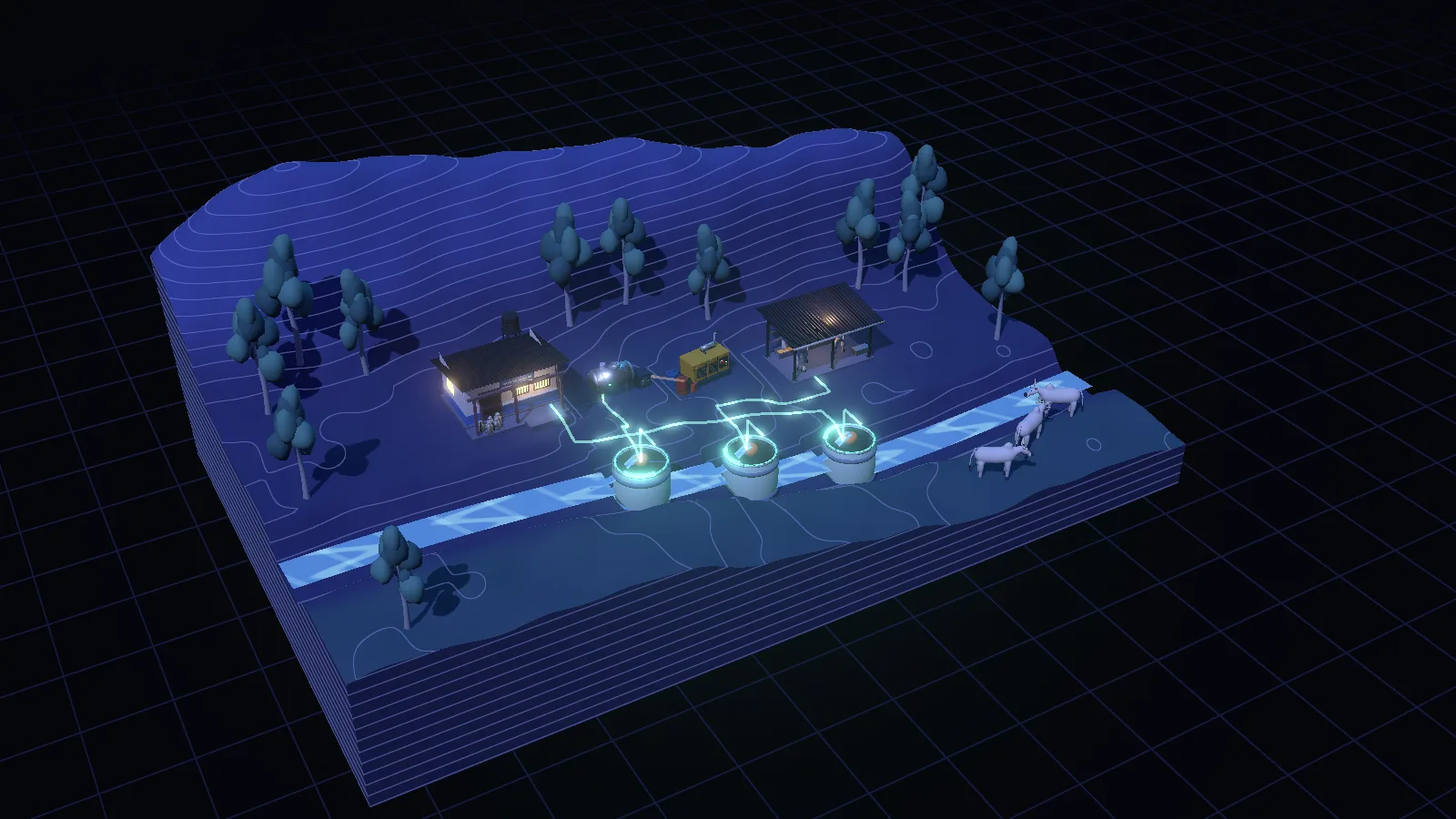
Example 3 of 3 · Rwanda, fish ponds
Fish need air
at night.
Why here Fish ponds are fed by streams. At night, oxygen in the water drops.
- Before dawn, aerators run on a generator, or fish are lost.
- Turbine 1 on the pond inflow runs the aerators.
- Turbine 2 lights the guard house.
What it shows The water that fills the pond also keeps it alive.
The water that fills the pond also keeps it alive.
- Turbines
- 2 / 2
- Power
- 0.80 kW
- Per day
- 19 kWh
2 × PROTUR 300 side by side · 100 litres per second · 0.9 m drop
Example data
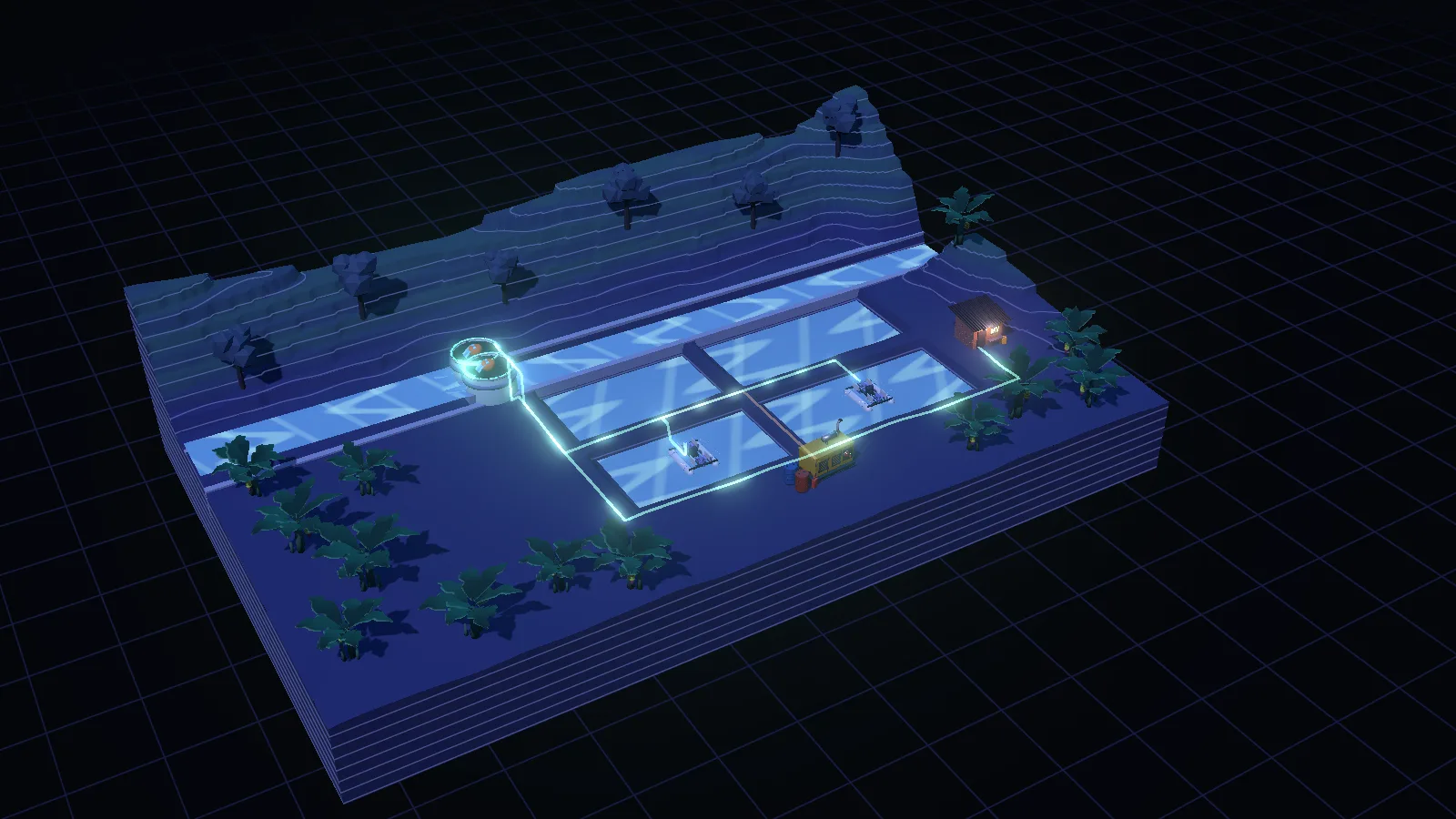
Diesel generator · all nightCold roomBatteries · smaller solarPacking shed lightDiesel chiller · all nightMilk chillerMorning milkingCollection centre lightGenerator before dawnAeratorsGuard house lightSolar panelsBatteryCold roomDiesel generator
8 · Not only farms
Not only farms.
The same night load exists across the UN family. Only about half of health facilities in sub-Saharan Africa have reliable power. UNHCR runs close to 300 boreholes on diesel. And UN peace operations get about 90% of their electricity from generators.
WHO et al. 2023 · UNHCR · UN DOS
9 · How it pays
It pays
from the fuel it saves.
The UN already uses this model: invest once, repay from diesel savings, as UNHCR does with solar water systems. PROTUR adds the night.
UNHCR, Project Flow
10 · Next step
The next step
would be simple.
One pilot site with an FAO country office, twelve months of measured data, shared openly. Then decide together where it makes sense.
01
Measure
12 months, one site
02
Share
All data, openly
03
Decide
Where it fits, together
11 · What each side gains
What each side gains.
For communities
- Turbines can be assembled locally, with a partner in the country.
- Power at night, without fuel.
- Less food lost after harvest.
- Local technicians trained to run it.
For the UN
- Less diesel and fewer emissions.
- A tested option for the night.
- Open field data.
For us
- A partner and real field experience in Africa.
Relief: AWS Terrain Tiles (SRTM) · Borders, rivers and lakes: Natural EarthThe boundaries and names shown on this map do not imply official endorsement or acceptance.


